
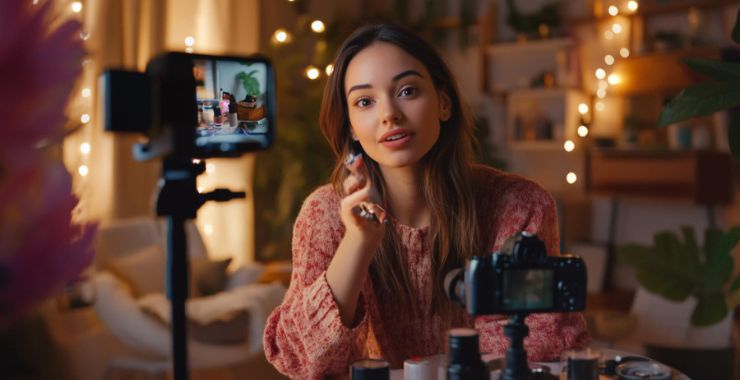
The health, wellness, and fitness industry is experiencing an unprecedented convergence of creator culture, data-driven digital marketing services, and consumer demand for authenticity. In 2026, influencer marketing is no longer a supplementary tactic — it is the primary growth engine for wellness brands worldwide. At KZen Digital, we’ve analyzed the landscape to bring you the definitive trends shaping how health and fitness brands build authority, community, and revenue through strategic influencer partnerships.
01 — The Micro-Influencer Revolution
Gone are the days when wellness brands chased celebrities with millions of followers. In 2026, the most impactful influencer marketing strategies are built around micro-influencers (10K–100K followers) who command hyper-engaged, niche audiences. These creators — yoga instructors, certified nutritionists, mental health advocates, and local gym coaches — carry something macro-influencers simply cannot: trust at scale.
For brands investing in digital marketing services for health and wellness, micro-influencer campaigns consistently deliver higher engagement rates (averaging 6–8% versus 1–2% for mega influencers), more authentic content, and stronger community advocacy. Their audiences aren’t passive scrollers; they’re active participants who ask questions, share routines, and make purchasing decisions based on recommendations.
What This Means for Your Brand
Partnering with 15–30 micro-influencers instead of one celebrity generates broader reach, more diverse content, and a resilient campaign that doesn’t collapse if a single creator faces controversy. A well-executed social media marketing strategy built on micro-influence networks is one of the most cost-effective investments in wellness brand building today.
02 — AI-Powered Influencer Discovery & Campaign Management
Artificial intelligence has fundamentally transformed how brands identify, vet, and manage influencer partnerships. In 2026, leading digital marketing agencies like KZen Digital leverage AI platforms to analyse millions of creator profiles — assessing audience authenticity, engagement quality, brand-fit scores, and sentiment patterns within comment sections — before a single outreach email is sent.
AI-driven campaign tools now enable real-time performance tracking, automated content approvals, and predictive ROI modelling. Brands no longer have to guess whether a fitness influencer’s audience overlaps with their target demographic; the data speaks instantly.
Key AI Capabilities Reshaping Influencer Marketing
AI Audience Verification — Detect fake followers, bot engagement, and inflated metrics before committing campaign budgets, protecting your investment with data-backed creator selection.
Predictive Campaign Modelling — Forecast reach, engagement, and conversion rates before launch, enabling smarter budget allocation across your influencer marketing mix.
Content Performance Analytics — Track which influencer content formats (Reels, Stories, long-form) drive the highest conversions for your specific wellness category.
Automated Brief Generation — AI-generated creative briefs that align with brand guidelines while giving creators the freedom to produce authentic, audience-resonant content.
03 — Long-Form & Educational Content Dominates
The wellness audience of 2026 is sophisticated. They don’t just want a 15-second clip of someone shaking a protein drink — they want to understand the why behind their choices. This has driven a major shift toward long-form educational content across YouTube, podcasts, and newsletter-driven creator ecosystems.
Fitness influencers are partnering with brands to produce deep-dive content: 20-minute workout science explainers, podcast series on gut health, and detailed nutritional breakdowns. This educational-first approach aligns perfectly with a content marketing strategy that builds lasting brand authority rather than fleeting attention.
For wellness brands working with digital marketing services providers, investing in creator-led educational content generates compounding SEO value, positions the brand as an authority, and creates evergreen assets that drive traffic for months after publication.
04 — The Rise of Community-Commerce
2026 has seen influencers evolve from content distributors to community architects. The most influential voices in health and fitness have built private communities — Discord servers, paid membership platforms, exclusive apps — where their audiences gather daily. Brands that integrate into these communities, rather than simply sponsoring posts, achieve something advertising budgets cannot buy: genuine belonging.
Community-commerce blurs the line between content and conversion. When a trusted fitness creator recommends a supplement within a community they’ve nurtured for years, the purchase intent is dramatically higher than any traditional ad placement. This makes community-driven influencer marketing one of the highest-leverage channels in a modern digital marketing service portfolio.
05 — Authenticity Over Aesthetics
Post-pandemic audiences have developed finely tuned filters for inauthenticity. In the wellness space specifically, performative perfection — the airbrushed abs, the flawless morning routine — has given way to raw, unfiltered storytelling. Mental health struggles, fitness setbacks, nutritional experimentation, and recovery journeys are now the content that generates the deepest engagement and the strongest brand associations.
Wellness brands that partner with creators willing to show the real journey — not just the highlight reel — build audiences who feel genuinely seen. This is a seismic shift for influencer marketing campaign strategy, requiring brand teams to relinquish some creative control in favour of authentic creator voices.
06 — Niche Verticals Explode Within Wellness
The wellness category has fractured into highly specific sub-niches, each with its own creator ecosystem, language, and audience expectations. Brands and digital marketing agencies that understand these distinctions are achieving extraordinary campaign performance by speaking directly to sub-niche communities rather than the broad “wellness” market.
The fastest-growing wellness sub-niches in 2026 include longevity and biohacking, women’s hormonal health, neurodiversity fitness, menopause wellness, sleep optimization, adaptive fitness, gut microbiome health, functional medicine, breathwork and nervous system regulation, sober fitness, cold therapy and recovery, and plant-based performance.
For brands deploying targeted social media marketing, aligning with niche wellness creators unlocks audiences with purchase intent that broad lifestyle influencers simply cannot match.
07 — Performance Partnerships & Affiliate Models
The economics of influencer marketing are shifting from flat-fee sponsorships toward performance-based partnership models. In 2026, more wellness brands are structuring creator deals around revenue share, affiliate commissions, and co-created product lines. This aligns incentives on both sides — creators are motivated to produce their best work when they share in the upside, and brands gain greater accountability on campaign ROI.
This model is particularly powerful for e-commerce wellness brands where attribution is trackable. Custom discount codes, affiliate links, and creator-specific landing pages allow digital marketing services teams to calculate exact revenue generated per creator — enabling genuine performance analysis and smarter reinvestment decisions.
08 — Video-First, Multi-Platform Distribution
Short-form video remains the dominant discovery format in wellness, but the sophisticated brands of 2026 are thinking in terms of multi-platform content ecosystems rather than single-channel campaigns. A single creator relationship now generates assets distributed across Instagram Reels, TikTok, YouTube Shorts, Pinterest, and connected TV through creator-produced documentary-style content.
A well-structured content distribution strategy maximises the value of every creator partnership. The same core content — a workout tutorial, a product review, a transformation story — can be adapted for multiple formats and platforms, dramatically increasing the return on influencer investment.
How KZen Digital Elevates Your Wellness Brand
At KZen Digital, our full-service digital marketing solutions are built specifically for the health, wellness, and fitness sector. We don’t apply generic marketing frameworks to wellness brands — we understand the nuances of health-conscious audiences, regulatory considerations around health claims, and the creator ecosystems that drive real growth.
Our services cover influencer strategy and creator discovery, end-to-end campaign management, educational content marketing, and platform-native social media management across Instagram, TikTok, YouTube, and emerging wellness channels.
The Bottom Line
Influencer marketing in the health, wellness, and fitness space in 2026 is more sophisticated, more data-driven, and more opportunity-rich than ever before. Brands that invest in genuine creator relationships, leverage AI-powered digital marketing tools, and commit to authentic storytelling will build the most defensible positions in their categories.
The brands winning this space aren’t just buying impressions — they’re building movements. Whether you’re a supplement startup looking to break through, an established fitness equipment brand seeking renewed relevance, or a wellness app scaling its user base, the influencer marketing landscape of 2026 offers extraordinary opportunity — if you approach it with strategy, authenticity, and the right digital marketing services partner by your side.
Ready to build your wellness brand’s influence? KZen Digital offers comprehensive digital marketing services tailored for health, wellness, and fitness brands. Let’s create campaigns that convert.