
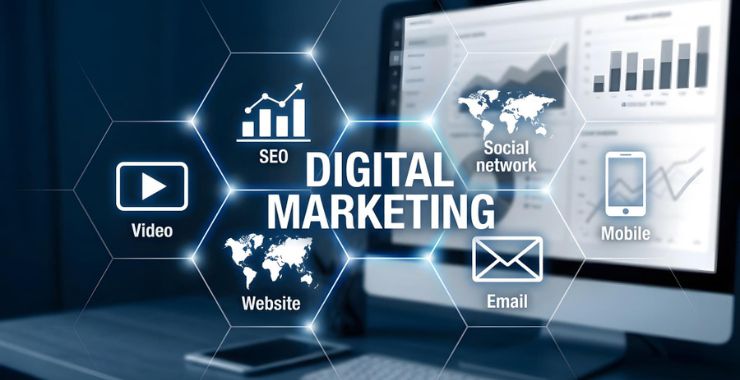
Digital marketing has experienced a remarkable transformation over the past decade. What began with simple website advertisements and email campaigns has evolved into a sophisticated ecosystem powered by artificial intelligence, automation, data analytics, and highly personalized customer experiences.
As consumer expectations continue to rise and technology advances at an unprecedented pace, businesses can no longer rely on traditional marketing methods alone. Modern consumers expect brands to understand their needs, provide valuable content, engage across multiple channels, and deliver seamless digital experiences.
The digital landscape in 2026 is being shaped by innovations such as Artificial Intelligence (AI), Search Experience Optimization (SXO), voice search, video marketing, conversational commerce, and data-driven personalization. Companies that embrace these changes will be better positioned to attract customers, build trust, and achieve sustainable growth.
In this article, we’ll explore the most significant digital marketing trends of 2026, why they matter, and how businesses can leverage them to stay ahead of the competition.
1. Artificial Intelligence (AI) is Revolutionizing Digital Marketing
Artificial Intelligence is no longer a futuristic concept. It has become an essential component of modern digital marketing strategies.
AI enables businesses to automate repetitive tasks, analyze massive amounts of data, predict customer behavior, and deliver personalized experiences at scale.
How AI is Transforming Marketing
AI-powered tools are helping marketers:
- Generate content faster
- Analyze customer behavior
- Create personalized recommendations
- Improve advertising performance
- Automate customer support
- Predict future buying patterns
For example, when a customer visits an eCommerce website, AI can analyze their browsing behavior and recommend products they are most likely to purchase.
Similarly, AI-driven marketing platforms can optimize ad campaigns in real time by identifying which audiences, keywords, and creatives are generating the best results.
Benefits of AI Marketing
- Increased efficiency
- Reduced marketing costs
- Improved customer experiences
- Better campaign performance
- Faster decision-making
Why Businesses Should Care
Companies that successfully integrate AI into their marketing operations gain a significant competitive advantage. AI allows teams to focus more on strategy and creativity while automation handles repetitive tasks.
2. Search Experience Optimization (SXO) is Becoming More Important Than Traditional SEO
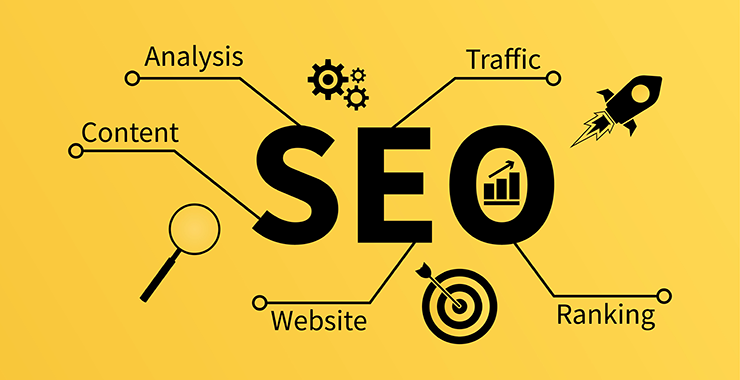
For years, businesses focused primarily on Search Engine Optimization (SEO) to improve rankings on search engines.
Today, ranking alone is not enough.
Google and other search engines are increasingly prioritizing user experience, making Search Experience Optimization (SXO) one of the most important digital marketing trends.
What is SXO?
Search Experience Optimization combines:
- SEO
- User Experience (UX)
- Conversion Rate Optimization (CRO)
The goal is not only to attract visitors but also to ensure they have a positive experience and complete desired actions.
Key Elements of SXO
Fast Website Speed
Users expect websites to load within seconds. Slow websites lead to higher bounce rates and lower conversions.
Mobile Optimization
Most internet users now browse using smartphones. Mobile-friendly websites perform better in search results and provide a better user experience.
Easy Navigation
Visitors should quickly find the information they need without confusion.
Valuable Content
Content should answer users’ questions and solve their problems.
Why SXO Matters
A website that ranks well but provides a poor user experience will struggle to convert visitors into customers.
Businesses that invest in SXO often experience:
- Higher engagement rates
- Longer session durations
- Increased conversions
- Better search rankings
3. Voice Search Optimization is Reshaping Search Behavior
Voice assistants have changed the way people search online.
Consumers increasingly use voice-enabled devices such as smartphones, smart speakers, and virtual assistants to find information.
Instead of typing:
“best digital marketing agency Hyderabad”
Users now ask:
“Which is the best digital marketing agency near me?”
This shift is creating new opportunities for businesses.
Why Voice Search Matters
Voice searches tend to be:
- Longer
- More conversational
- Question-based
- Locally focused
How to Optimize for Voice Search
Focus on Natural Language
Write content that matches how people actually speak.
Create FAQ Sections
Question-and-answer content performs well for voice search.
Target Long-Tail Keywords
Voice searches are often more detailed than traditional searches.
Improve Local SEO
Many voice searches include location-based intent.
Business Impact
Companies that optimize for voice search can increase visibility among users who prefer hands-free, conversational search experiences.
4. Video Marketing Continues to Dominate Consumer Attention
Video remains one of the most powerful forms of digital content.
People consume video content faster and engage with it more effectively than text-based content.
Platforms like YouTube, Instagram Reels, LinkedIn Video, and TikTok continue to drive significant engagement.
Why Video Marketing Works
Video combines:
- Visual storytelling
- Audio communication
- Emotional engagement
This makes it easier for audiences to understand and remember information.
Popular Video Formats in 2026
Short-Form Videos
Short videos capture attention quickly and perform exceptionally well on social media.
Educational Content
Tutorials, demonstrations, and how-to videos build authority and trust.
Customer Testimonials
Real customer experiences help influence purchasing decisions.
Live Streaming
Live interactions create authenticity and foster community engagement.
Benefits of Video Marketing
- Higher engagement rates
- Increased social sharing
- Improved conversion rates
- Stronger brand awareness
Businesses that consistently produce valuable video content are more likely to capture audience attention and drive meaningful interactions.
5. Hyper-Personalization is Redefining Customer Experiences
Modern consumers expect personalized experiences.
Generic marketing messages no longer resonate with today’s audiences.
Instead, consumers prefer brands that understand their preferences and provide relevant recommendations.
What is Hyper-Personalization?
Hyper-personalization uses:
- Customer data
- Behavioral insights
- AI technology
- Real-time interactions
to create highly relevant experiences for individual users.
Examples of Personalization
- Personalized email campaigns
- Customized product recommendations
- Dynamic website content
- Personalized advertisements
Why Personalization Matters
Research consistently shows that personalized experiences lead to:
- Higher engagement
- Better customer satisfaction
- Increased loyalty
- More conversions
Customers are more likely to interact with content that directly addresses their needs and interests.
6. Influencer Marketing is Becoming More Authentic
Influencer marketing continues to evolve.
Consumers are becoming increasingly skeptical of overly promotional content.
As a result, businesses are shifting toward authentic influencer partnerships.
Rise of Micro-Influencers
Micro-influencers often have smaller audiences but stronger engagement rates.
Their followers tend to trust their recommendations more than celebrity endorsements.
Advantages of Micro-Influencers
- Higher engagement
- Stronger audience trust
- Better niche targeting
- Cost-effective campaigns
Long-Term Collaborations
Brands are increasingly partnering with influencers over extended periods rather than conducting one-time promotions.
This creates:
- Greater credibility
- Consistent messaging
- Stronger audience relationships
Authenticity has become the foundation of successful influencer marketing campaigns.
7. First-Party Data is the Future of Digital Marketing
Privacy regulations and the decline of third-party cookies are changing how marketers collect customer information.
Businesses must now rely more heavily on first-party data.
What is First-Party Data?
First-party data is information collected directly from customers through:
- Website interactions
- Email subscriptions
- Customer surveys
- Purchase history
- Loyalty programs
Why First-Party Data Matters
Unlike third-party data, first-party data is:
- More accurate
- More reliable
- Privacy compliant
- Highly relevant
Benefits
Businesses can use first-party data to:
- Personalize marketing campaigns
- Improve customer experiences
- Build trust
- Increase marketing effectiveness
Organizations that develop strong first-party data strategies will be better prepared for the future of digital marketing.
8. Conversational Marketing is Transforming Customer Engagement
Customers expect instant communication.
Waiting hours or days for responses is no longer acceptable in today’s digital environment.
This has led to the growth of conversational marketing.
What is Conversational Marketing?
Conversational marketing focuses on real-time interactions between businesses and customers.
Popular Channels
- Live chat
- WhatsApp Business
- Facebook Messenger
- Instagram Messaging
- AI Chatbots
Benefits
Conversational marketing helps businesses:
- Respond instantly
- Improve customer satisfaction
- Reduce response times
- Increase conversion rates
Customers appreciate brands that are accessible and responsive.
9. Local SEO is Driving More Qualified Leads
As consumers increasingly search for nearby businesses, local SEO has become a critical marketing strategy.
Whether someone is looking for a healthcare provider, restaurant, gym, or digital marketing agency, local search results influence purchasing decisions.
Local SEO Best Practices
Optimize Google Business Profile
A complete and accurate profile improves visibility in local searches.
Collect Customer Reviews
Positive reviews build trust and improve rankings.
Use Local Keywords
Include location-specific keywords throughout your content.
Create Local Content
Publish content relevant to your local audience.
Maintain Consistent Information
Ensure business details remain accurate across all platforms.
Business Benefits
Strong local SEO can generate:
- More website traffic
- More phone calls
- More inquiries
- More customers
10. High-Quality Content Remains the Foundation of Digital Success
Despite technological advancements, content continues to be the driving force behind successful digital marketing strategies.
However, quality now matters far more than quantity.
What Defines High-Quality Content?
High-quality content is:
- Informative
- Relevant
- Accurate
- Original
- User-focused
Content Types That Perform Well
Long-Form Blog Articles
Comprehensive content often ranks better in search engines.
Case Studies
Real-world examples build trust and credibility.
Industry Guides
Educational resources establish authority.
Research Reports
Original insights attract backlinks and industry recognition.
Why Quality Matters
Search engines increasingly prioritize content that demonstrates:
- Expertise
- Experience
- Authority
- Trustworthiness
Businesses that consistently create valuable content are more likely to achieve long-term organic growth.
Looking Ahead: The Future of Digital Marketing
The future of digital marketing will be driven by customer-centric experiences, emerging technologies, and data-driven decision-making.
Businesses that embrace innovation while maintaining a strong focus on customer needs will thrive in an increasingly competitive digital landscape.
Key priorities for success include:
- Leveraging Artificial Intelligence
- Optimizing user experience
- Investing in video content
- Building personalized customer journeys
- Strengthening local SEO
- Developing first-party data strategies
- Creating high-quality content
Digital marketing in 2026 is more dynamic, intelligent, and customer-focused than ever before. The brands that succeed will be those that adapt to changing consumer behaviors, embrace emerging technologies, and prioritize meaningful customer experiences.
Artificial Intelligence, Search Experience Optimization, Voice Search, Video Marketing, Personalization, Influencer Partnerships, First-Party Data, Conversational Marketing, Local SEO, and High-Quality Content are no longer optional strategies—they are essential components of a modern digital marketing plan.
By understanding and implementing these trends, businesses can improve visibility, strengthen customer relationships, increase conversions, and achieve sustainable growth in the digital age.
The future belongs to organizations that are willing to innovate, adapt, and consistently deliver value to their audiences.